How often should I have an eye exam?
Adults under 60 should be seen yearly, children yearly starting at age 3, and patients with diabetes or glaucoma more frequently.
Adult & pediatric eye exams in Powell, Ohio.
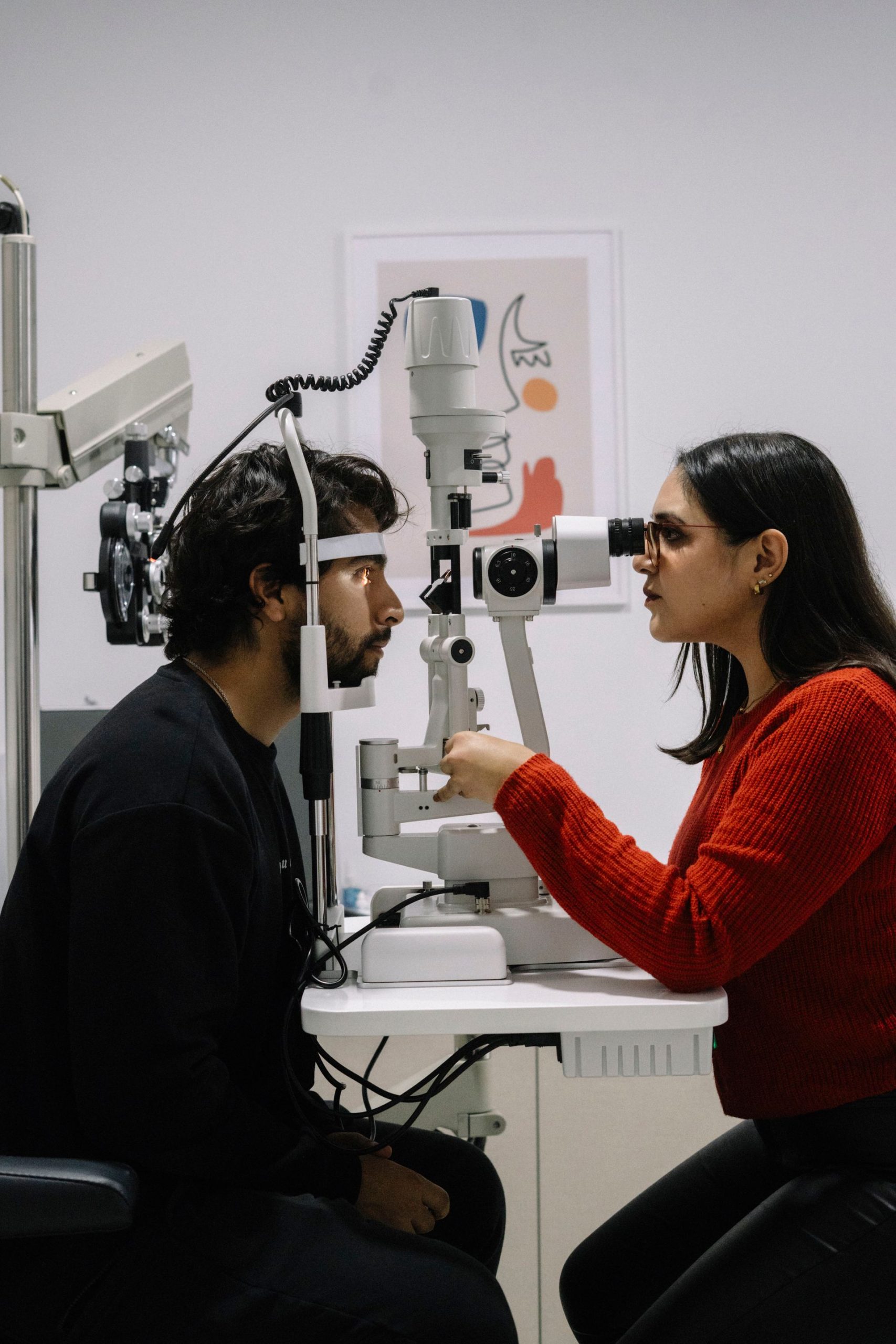
Our comprehensive exams serve children and adults alike, screening for glaucoma, cataracts, and macular degeneration in unhurried appointments with plenty of time for your questions.
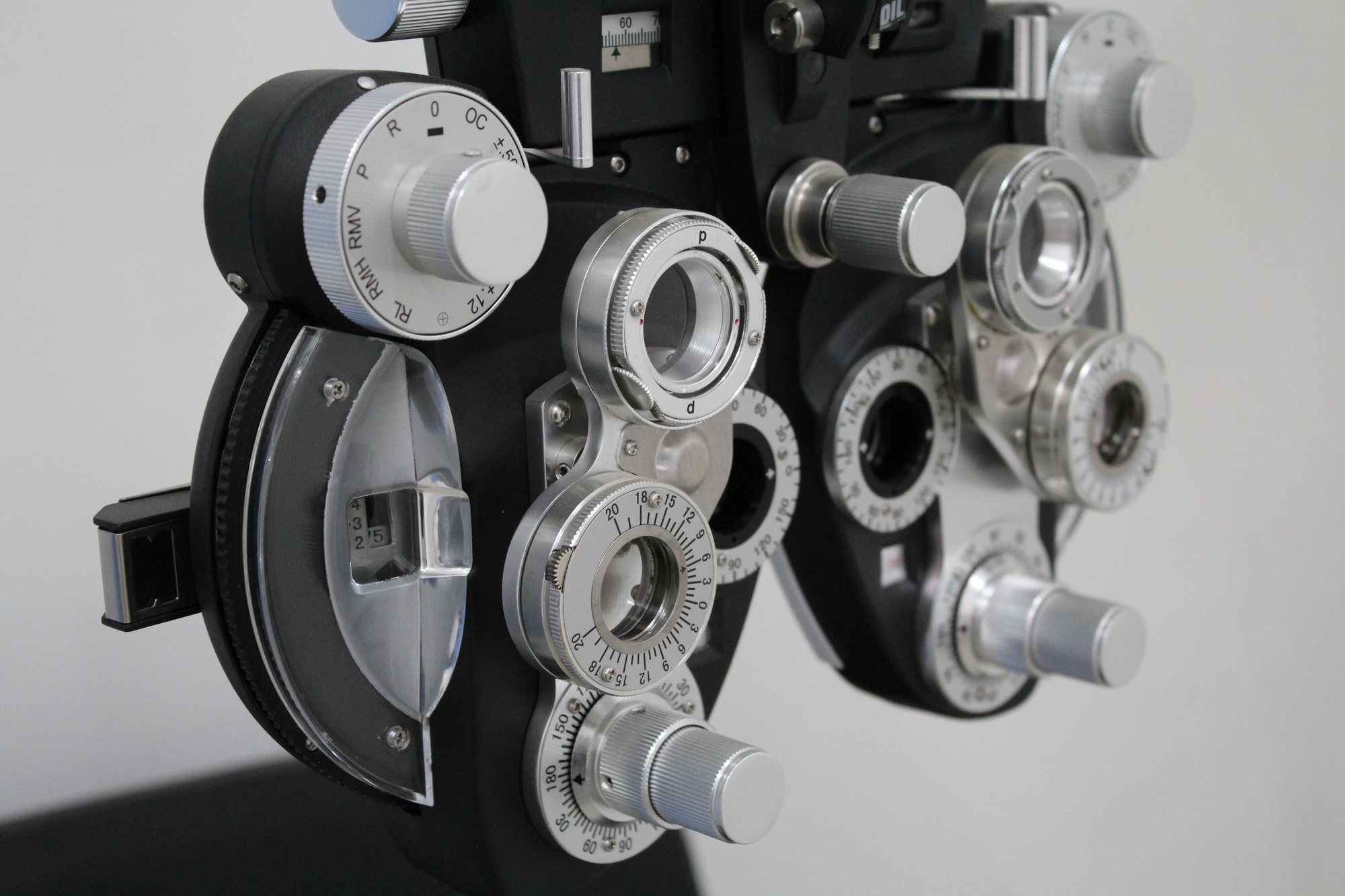
Refraction (vision) testing. If objects near or far look blurry, you may have a refractive error — light isn’t bending properly as it passes through the lens of your eye. A refraction test diagnoses hyperopia (farsightedness), myopia (nearsightedness), astigmatism, and presbyopia. A machine measures the light reflected by your retina, then the doctor uses a phoropter to test one eye at a time and determine the prescription needed for 20/20 vision.
Adults under 60 should have a yearly exam; children yearly starting at age 3; and patients with diabetes or glaucoma more frequently. Refraction tests are a necessary part of an eye exam but are not covered by Medicare and some private insurance.
Detection and treatment of elevated intraocular pressure.
Evaluations and attentive post-operative care.
Screening, assessment, and monitoring of age-related macular degeneration (AMD).
Adults under 60 should be seen yearly, children yearly starting at age 3, and patients with diabetes or glaucoma more frequently.
Please bring your glasses or contacts (and powers if you have them), your insurance card, and a photo ID.
Refraction is a necessary part of a complete exam but is not covered by Medicare and some private insurance plans.
We recommend yearly comprehensive exams beginning at age 3.

Call (614) 841-9300 or request an appointment online.